Power3 Medical Clinical Insight. Trusted Care. Better Health.

Power3 Medical

Clinical Insight. Trusted Care. Better Health.

Latest Articles

Crisis Medicine and Its Price: The Economic Argument America's Healthcare System Keeps Avoiding
Patient Empowerment

Crisis Medicine and Its Price: The Economic Argument America's Healthcare System Keeps Avoiding

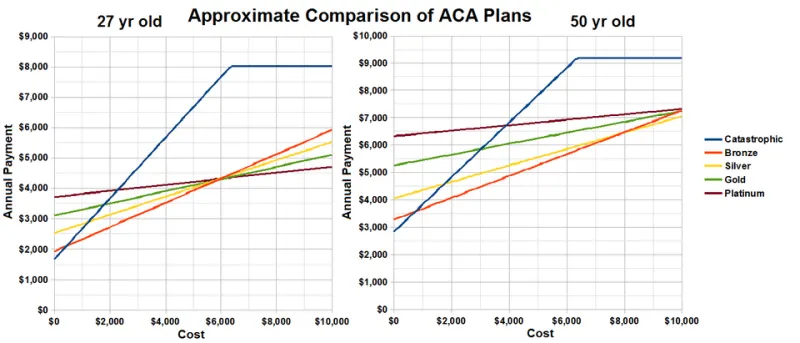
The United States spends more on healthcare than any other high-income nation, yet consistently ranks near the bottom of peer countries on preventable mortality and chronic disease burden. A structural preference for treating illness at its most expensive stage — acute crisis — over investing in the conditions that prevent it lies at the heart of this paradox. This analysis examines the true financial cost of reactive care and makes the case for a fundamental reorientation of how Americans think

Prescribing Restraint: Understanding Why Withholding Antibiotics Is Sometimes the Most Protective Clinical Decision
Patient Empowerment

Prescribing Restraint: Understanding Why Withholding Antibiotics Is Sometimes the Most Protective Clinical Decision

Antibiotics rank among the most consequential pharmaceutical achievements of the twentieth century, yet their overuse has generated a public health crisis that threatens to undermine the very protection they provide. This article examines the clinical and biological costs of unnecessary antibiotic prescribing, offers patients and practitioners a practical framework for distinguishing when treatment is warranted from when the body's own defenses are the superior intervention, and explains why inf

Fatigue as a Vital Sign: The Case for Making Daily Energy Levels a Standard Clinical Metric
Clinical Insights

Fatigue as a Vital Sign: The Case for Making Daily Energy Levels a Standard Clinical Metric

Most clinical encounters begin with a symptom checklist, yet one of the body's most revealing signals—sustained fatigue and diminished daily energy—is routinely underexamined. Emerging evidence suggests that functional energy assessments can surface metabolic dysfunction, hormonal imbalance, and early cardiovascular compromise long before standard laboratory panels register concern. This article makes the case for elevating energy status to a formal clinical metric in every patient encounter.

When Restraint Is the Diagnosis: A Patient's Guide to Understanding Evidence-Based Testing Decisions
Patient Empowerment

When Restraint Is the Diagnosis: A Patient's Guide to Understanding Evidence-Based Testing Decisions

A physician who orders fewer tests is not necessarily providing less care—in many cases, they are providing better care. Evidence-based medicine has produced a substantial and growing body of research demonstrating that unnecessary diagnostic testing can cause measurable patient harm. This guide equips health-conscious consumers with the clinical reasoning tools to distinguish thoughtful restraint from genuine oversight, and the specific questions to ask their care team.

The Metabolic Price Tag: How Cellular Energy Efficiency Shapes Your Lifetime Healthcare Costs
Clinical Insights

The Metabolic Price Tag: How Cellular Energy Efficiency Shapes Your Lifetime Healthcare Costs

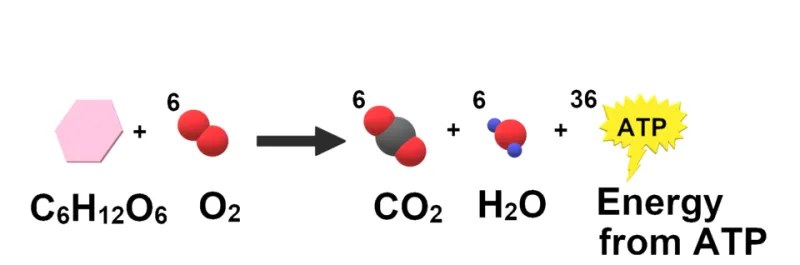
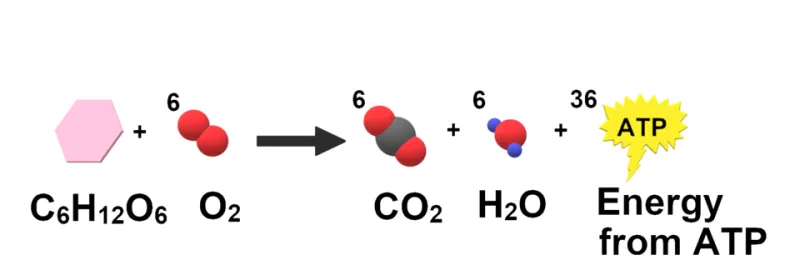
The state of your mitochondria may be one of the strongest predictors of how often you end up in a physician's office—or an emergency department. Metabolic dysfunction quietly drives some of the most expensive, reactive medical interventions in the American healthcare system. Understanding this connection transforms energy biology from a laboratory concept into a practical financial and clinical argument for preventive investment.

The Clinical Pharmacist in Your Corner: A Healthcare Resource Most Americans Have Never Fully Used
Patient Empowerment

The Clinical Pharmacist in Your Corner: A Healthcare Resource Most Americans Have Never Fully Used

Clinical pharmacists are among the most extensively trained medication experts in the American healthcare system, yet most patients interact with them only at the point of prescription pickup. Research consistently demonstrates that structured pharmacist consultations reduce medication errors, prevent hospitalizations, and improve outcomes for patients managing complex or chronic conditions. This article examines how to access and leverage pharmacist expertise as a proactive component of your he

Cellular Power and Clinical Outcomes: What Mitochondrial Health Reveals About Your Risk for Chronic Disease
Clinical Insights

Cellular Power and Clinical Outcomes: What Mitochondrial Health Reveals About Your Risk for Chronic Disease

Emerging research is repositioning mitochondrial function as a central pillar of preventive medicine, linking cellular energy production to outcomes in cardiovascular disease, metabolic syndrome, and neurological decline. Clinicians are increasingly measuring and optimizing how well the body generates energy at the cellular level — not just as a response to illness, but as a strategy to prevent it. Understanding this science may reframe how patients and practitioners alike interpret fatigue, inf

The Medicine of Restraint: Why 'Watch and Wait' Is Often the Most Rigorous Decision Your Doctor Can Make
Patient Empowerment

The Medicine of Restraint: Why 'Watch and Wait' Is Often the Most Rigorous Decision Your Doctor Can Make

When a physician recommends monitoring rather than immediate treatment, it can feel unsettling—even counterintuitive. But for a significant range of conditions, watchful waiting is not a passive default; it is an active, evidence-based strategy grounded in careful risk-benefit analysis. Understanding the clinical logic behind conservative management empowers patients to engage confidently with these decisions.

From Prescription Pad to Lifestyle Lab: How Preventive Medicine Is Rewriting Clinical Outcomes
Clinical Insights

From Prescription Pad to Lifestyle Lab: How Preventive Medicine Is Rewriting Clinical Outcomes

A growing body of evidence is positioning lifestyle interventions—diet, exercise, sleep, and stress management—as frontline clinical tools rather than supplementary advice. For practitioners and patients alike, understanding the science behind this shift is no longer optional; it is foundational to delivering and receiving modern, evidence-based care.

Building a Fortress Against Chronic Illness: The Evidence Behind Three Clinical Pillars Every Patient Should Know
Clinical Insights

Building a Fortress Against Chronic Illness: The Evidence Behind Three Clinical Pillars Every Patient Should Know

Chronic disease now accounts for seven of every ten deaths in the United States, yet a growing body of clinical research suggests that a structured, three-pronged strategy can dramatically reduce individual risk. By focusing on metabolic health, preventive screening, and behavioral medicine, healthcare providers and their patients can move from reactive treatment to proactive protection. This article synthesizes current evidence and translates it into actionable guidance for both practitioners a

When Less Testing Means Better Medicine: Understanding Why Personalized Risk Guides Today's Screening Decisions
Patient Empowerment

When Less Testing Means Better Medicine: Understanding Why Personalized Risk Guides Today's Screening Decisions

A quiet but consequential revolution is reshaping how American physicians order — and decline to order — diagnostic tests. Driven by precision medicine principles and evolving clinical guidelines, the era of one-size-fits-all screening is giving way to a more nuanced, risk-stratified approach. Understanding the clinical logic behind these changes can help patients become more effective partners in their own care.