The Metabolic Price Tag: How Cellular Energy Efficiency Shapes Your Lifetime Healthcare Costs
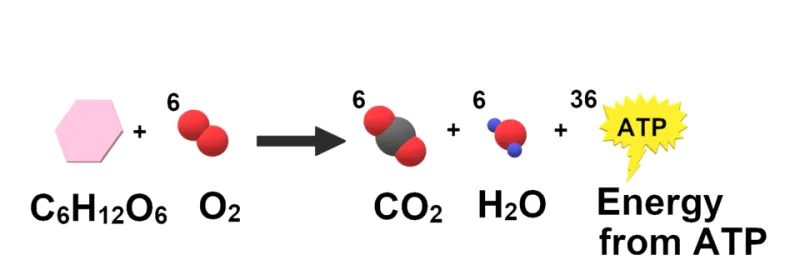
Photo: Christinelmiller, CC BY-SA 4.0, via Wikimedia Commons
America spends more on healthcare per capita than any other high-income nation, yet population health outcomes frequently lag behind peer countries. Analysts debate policy, pricing, and access—but one underexamined variable sits at the cellular level: how efficiently the human body produces and manages energy. The science is not speculative. It is increasingly clear that mitochondrial health functions as a kind of upstream regulator, quietly determining downstream clinical and economic outcomes for millions of patients.
What Mitochondria Actually Do—and Why It Matters Beyond Biology Class
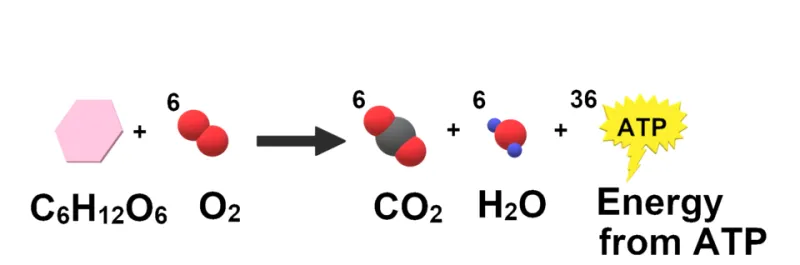
Most Americans last encountered mitochondria in a high school biology textbook, where they were memorably labeled "the powerhouse of the cell." That description, while accurate, dramatically understates their clinical relevance. These organelles are responsible for converting oxygen and nutrients into adenosine triphosphate (ATP), the molecule that fuels virtually every biochemical process in the body—from cardiac contractions to insulin signaling to immune responses.
When mitochondrial function is compromised, the consequences are not confined to fatigue or reduced athletic performance. Impaired energy production forces compensatory adaptations across organ systems. The pancreas works harder to manage glucose dysregulation. Inflammatory pathways activate in response to oxidative stress. Cardiovascular tissue becomes less resilient. Each of these adaptations, sustained over years, corresponds directly to the chronic conditions that account for the majority of U.S. healthcare expenditure: type 2 diabetes, heart disease, metabolic syndrome, and certain neurodegenerative disorders.
The Centers for Disease Control and Prevention estimates that chronic diseases drive approximately 90 percent of the nation's $4.1 trillion in annual healthcare costs. A meaningful portion of that burden traces back to metabolic dysfunction—which traces back, in turn, to cellular energy failure.
From the Cell to the Claims Form: Tracing the Clinical Cost Cascade
The economic argument for metabolic health becomes clearer when you follow the clinical trajectory of a patient with progressive metabolic dysfunction. Consider a middle-aged adult with early insulin resistance—a condition often producing no dramatic symptoms and frequently undiagnosed for years. Without intervention, insulin resistance commonly advances to prediabetes, then to type 2 diabetes. Each stage introduces new clinical management requirements: laboratory monitoring, pharmacologic therapy, specialist referrals, and eventually the management of complications including peripheral neuropathy, retinopathy, and cardiovascular disease.
The American Diabetes Association estimates that a person diagnosed with diabetes incurs average medical costs approximately 2.3 times higher than a person without the condition. That multiplier is not a statistical abstraction—it represents emergency department visits for hypoglycemic events, hospitalizations for cardiovascular complications, and long-term care costs for advanced disease.
At each inflection point in this progression, the healthcare system responds reactively. Medications are prescribed. Procedures are scheduled. Specialists are consulted. The system is doing exactly what it was designed to do—manage illness once it has declared itself. What it is not doing, in most cases, is addressing the upstream energy economics that initiated the cascade.
The Mitochondrial Investment Argument
Clinical researchers have increasingly framed metabolic health not as a wellness preference but as a modifiable risk factor with quantifiable downstream consequences. Interventions that improve mitochondrial function—structured aerobic exercise, resistance training, dietary patterns that reduce glycemic load, and in some cases targeted supplementation—have demonstrated measurable effects on insulin sensitivity, inflammatory markers, and cardiovascular risk scores.
The economic logic follows directly. A patient who improves mitochondrial efficiency through sustained lifestyle intervention reduces their probability of progressing through the expensive stages of metabolic disease. The investment is made in the form of time, behavioral change, and potentially some upfront preventive care costs. The return is measured in avoided hospitalizations, reduced polypharmacy, and a lower cumulative burden on both the individual and the healthcare system.
For practitioners, this framing offers a useful communication tool. Patients who are resistant to lifestyle counseling on health grounds alone sometimes respond differently when the conversation shifts to economic terms. Asking a patient to consider the ten-year cost projection of unmanaged metabolic dysfunction—in copays, lost workdays, and insurance premiums—reframes prevention as a financial decision, not merely a medical one.
What Patients Can Act On Today
Translating mitochondrial science into actionable guidance requires specificity. The following evidence-supported strategies have demonstrated meaningful impact on metabolic function:
Prioritize zone 2 aerobic training. Exercise performed at moderate intensity—roughly the pace at which conversation remains possible but becomes slightly labored—has been shown to selectively improve mitochondrial density and efficiency in skeletal muscle. For most adults, 150 to 180 minutes per week represents a clinically meaningful threshold.
Reduce ultra-processed food consumption. Diets high in refined carbohydrates and industrial seed oils are associated with elevated oxidative stress and impaired mitochondrial membrane function. Shifting toward whole foods, lean proteins, and healthy fats reduces the metabolic burden on energy-producing pathways.
Request a comprehensive metabolic panel. Standard preventive care often includes basic glucose testing, but a fasting insulin level, hemoglobin A1c, and triglyceride-to-HDL ratio provide a more complete picture of metabolic efficiency. Patients should feel empowered to ask their provider about these markers specifically.
Address sleep quality systematically. Chronic sleep disruption impairs glucose metabolism and mitochondrial repair processes that occur predominantly during slow-wave sleep. Sleep is not a lifestyle luxury—it is a metabolic intervention.
The Practitioner's Perspective
For clinicians, the metabolic efficiency framework offers a unifying lens through which to view patients presenting with seemingly unrelated complaints: persistent fatigue, unexplained weight gain, brain fog, and elevated inflammatory markers. These presentations, when viewed in isolation, may generate separate diagnostic workups. Viewed through the lens of mitochondrial health, they may represent a single upstream problem with multiple downstream expressions.
Integrating metabolic assessment into routine preventive visits—and communicating findings in both clinical and economic terms—positions practitioners to have more impactful conversations with patients who might otherwise defer action until symptoms become acute.
The power of preventive medicine lies not in eliminating risk entirely, but in shifting the timing of clinical events. A patient who develops metabolic disease at 70 rather than 55 accumulates substantially lower lifetime healthcare costs and, in most cases, experiences meaningfully better quality of life. That outcome begins at the cellular level—in the efficiency of the energy systems that sustain every function the body performs.
Investing in those systems is not a wellness trend. It is, increasingly, one of the most evidence-grounded decisions a patient can make.