Cellular Power and Clinical Outcomes: What Mitochondrial Health Reveals About Your Risk for Chronic Disease
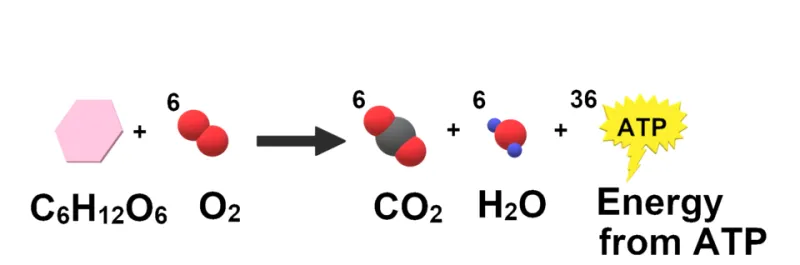
Photo: Christinelmiller, CC BY-SA 4.0, via Wikimedia Commons
For decades, the conversation around chronic disease prevention has centered on familiar targets: cholesterol panels, blood pressure readings, body mass index. These markers remain clinically relevant, but a quieter revolution is underway in research institutions and forward-looking medical practices across the United States. That revolution is focused not on organs or tissues, but on the microscopic machinery inside nearly every cell in the human body — the mitochondria.
Once relegated to biology textbooks as the so-called "powerhouse of the cell," mitochondria are now understood to be dynamic regulators of health and disease. The clinical implications of that understanding are substantial, and they are beginning to reshape how practitioners approach everything from post-surgical recovery to the management of type 2 diabetes.
What Mitochondria Actually Do — and Why It Matters Clinically
Mitochondria generate adenosine triphosphate, or ATP — the primary currency of cellular energy. Every muscular contraction, every immune response, every neurological signal depends on a continuous and adequate supply of ATP. When mitochondrial function is impaired, the downstream effects are not limited to fatigue, though that is often the presenting complaint. Cellular signaling becomes dysregulated, inflammatory pathways activate, and the body's capacity for repair diminishes.
What makes this clinically significant is the breadth of conditions now associated with mitochondrial dysfunction. Peer-reviewed literature has linked impaired cellular energy production to insulin resistance, heart failure, neurodegenerative conditions including Parkinson's disease and Alzheimer's disease, autoimmune disorders, and accelerated biological aging. In each of these disease states, the mitochondria are not merely bystanders — they appear to be active participants in pathogenesis.
For clinicians, this raises a pivotal question: if mitochondrial dysfunction is a common thread across such a diverse range of conditions, should its assessment become a standard component of preventive evaluation?
The Emerging Science of Metabolic Measurement
Traditionally, assessing metabolic health meant measuring fasting glucose, insulin levels, and lipid profiles. These tools remain foundational. However, a growing number of metabolic medicine specialists and functional medicine practitioners are incorporating more granular assessments into their evaluations — tools designed to approximate how efficiently a patient's cells are actually producing energy.
One such approach involves measuring mitochondrial respiration through specialized laboratory assays, a technique more commonly used in research settings but gradually finding clinical application. Others rely on proxy markers: elevated lactate levels, abnormal organic acid profiles in urine, or disproportionate fatigue relative to physical conditioning. Wearable technology is also entering this space, with devices capable of tracking heart rate variability and oxygen utilization as indirect indicators of metabolic efficiency.
Cardiorespiratory fitness testing — particularly VO2 max assessment — has gained renewed attention in this context. Research published in major cardiology journals has established VO2 max as one of the strongest independent predictors of all-cause mortality, outperforming many traditional risk factors. Crucially, VO2 max is a direct measure of the body's ability to consume and utilize oxygen at the cellular level — which is precisely what mitochondria do.
Fatigue, Inflammation, and the Metabolic Connection
Patients frequently present to their physicians with persistent fatigue that resists standard explanations. Thyroid panels return within normal range. Sleep studies are unremarkable. Iron levels are adequate. Yet the exhaustion persists. Increasingly, clinicians are considering mitochondrial insufficiency as a plausible underlying mechanism in such cases.
The relationship between mitochondria and inflammation is bidirectional and clinically important. Chronic low-grade inflammation — the kind associated with metabolic syndrome, obesity, and sedentary behavior — directly impairs mitochondrial function. Conversely, dysfunctional mitochondria release signaling molecules that perpetuate inflammatory cascades. This cycle helps explain why systemic inflammation is so difficult to resolve without addressing underlying metabolic contributors.
For patients managing conditions such as fibromyalgia, long COVID, or chronic fatigue syndrome, the mitochondrial hypothesis offers a mechanistic framework that clinical researchers are actively investigating. While definitive therapeutic protocols have not yet been standardized, the scientific rationale for targeting cellular energy metabolism in these populations is gaining traction.
Optimizing Cellular Energy: What the Evidence Supports
Perhaps the most actionable aspect of this science is that mitochondrial function is not fixed. It is responsive — to lifestyle, nutrition, pharmacological intervention, and even behavioral modification. Practitioners working in metabolic medicine have identified several evidence-supported strategies for supporting mitochondrial health.
Physical activity remains the most potent and accessible intervention. Endurance exercise and high-intensity interval training have both demonstrated the ability to stimulate mitochondrial biogenesis — the process by which cells generate new, more efficient mitochondria. The clinical literature on this is robust, and it underlies current guidelines recommending at least 150 minutes of moderate aerobic activity per week for most American adults.
Nutritional strategies are also under active investigation. Time-restricted eating and caloric restriction have shown promise in animal models and early human trials for improving mitochondrial efficiency. Adequate intake of micronutrients essential to the electron transport chain — including magnesium, B vitamins, coenzyme Q10, and alpha-lipoic acid — is another area of clinical interest, though supplementation recommendations should always be individualized and discussed with a qualified clinician.
Sleep quality is frequently underestimated in this context. Mitochondrial repair and regeneration occur preferentially during deep sleep stages. Chronic sleep deprivation has been shown to impair mitochondrial function and elevate markers of oxidative stress — a state in which cellular damage from reactive oxygen species outpaces the body's repair capacity.
Minimizing exposure to mitochondrial toxins is equally relevant. Certain medications, environmental pollutants, heavy metals, and excessive alcohol consumption have documented adverse effects on mitochondrial integrity. A thorough medication review and environmental health history can therefore be meaningful components of a metabolic health evaluation.
What This Means for the Patient-Practitioner Conversation
The clinical science of mitochondrial medicine is sophisticated enough to be taken seriously, yet accessible enough to be incorporated into the standard preventive care framework. Patients who experience unexplained fatigue, difficulty recovering from illness or surgery, or a strong family history of metabolic or neurodegenerative disease may have legitimate reasons to raise cellular energy health with their physicians.
The question is not whether mitochondria matter — the evidence is clear that they do. The more pressing clinical question is how to integrate this understanding into a practical, individualized care strategy. That conversation begins with awareness: an informed patient who understands the metabolic foundations of disease is better equipped to participate meaningfully in their own prevention.
At Power3 Medical, we believe that clinical insight is most valuable when it translates into informed action. Mitochondrial medicine is one of the more compelling frontiers in that translation — and it deserves a prominent place in how Americans think about long-term health.