Crisis Medicine and Its Price: The Economic Argument America's Healthcare System Keeps Avoiding
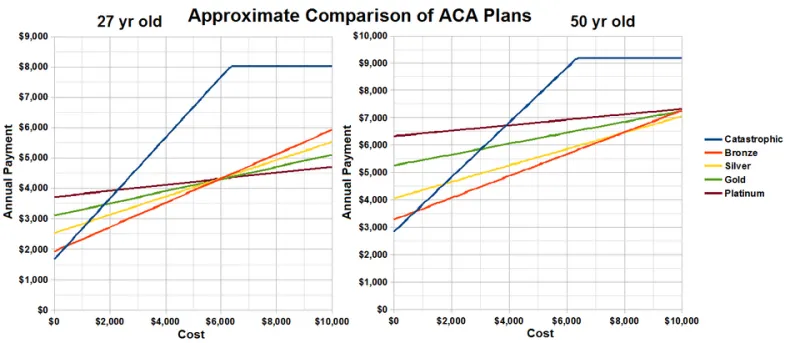
Photo: Delphi234, CC0, via Wikimedia Commons
The numbers are not subtle. The United States spends roughly $4.5 trillion annually on healthcare — more per capita than any comparable nation on earth — and yet Americans live shorter lives, carry heavier chronic disease burdens, and experience higher rates of preventable hospitalization than residents of most other high-income countries. This is not a funding problem in the conventional sense. It is, at its core, a sequencing problem: the American healthcare system is structurally optimized to respond to illness after it has already become expensive.
The consequences of this orientation are financial, clinical, and deeply personal. They are also, to a remarkable degree, avoidable.
The Arithmetic of Reactive Care
Consider the cost trajectory of a single condition: type 2 diabetes. According to the American Diabetes Association, the average annual cost of managing a diagnosed diabetic patient in the United States exceeds $16,700 — more than twice the cost of care for a comparable individual without the disease. A significant portion of that figure is attributable not to the disease itself, but to its complications: cardiovascular events, kidney failure, lower-limb amputations, and vision loss, each of which carries its own substantial price tag.
Now consider the cost of the interventions known to prevent or substantially delay the onset of type 2 diabetes in high-risk individuals. The landmark Diabetes Prevention Program, funded by the National Institutes of Health, demonstrated that structured lifestyle intervention — dietary modification, modest physical activity, and behavioral support — reduced diabetes incidence by 58 percent in at-risk adults. The per-participant cost of delivering that program was estimated at approximately $1,400 annually. The math is not complicated.
This same arithmetic applies across the spectrum of chronic disease. Heart disease, the leading cause of death in the United States, costs the healthcare system an estimated $239 billion per year in direct medical expenses and lost productivity. The evidence-based interventions most effective at reducing cardiovascular risk — blood pressure management, smoking cessation support, dietary counseling, and exercise promotion — are consistently underfunded, underreimbursed, and underutilized.
Why the System Chooses Crisis
Understanding why American healthcare defaults to reactive intervention requires looking at the incentive architecture that governs it. The fee-for-service reimbursement model, which still dominates much of US healthcare payment, rewards volume and procedural complexity. A cardiologist who performs a coronary artery bypass graft generates substantially more revenue for a health system than one who successfully counsels a patient through a sustained lifestyle change that renders the surgery unnecessary. The clinical outcome in the second scenario is superior. The financial outcome, under current payment structures, is inferior.
Insurance design compounds this misalignment. High-deductible health plans, which now cover a majority of privately insured Americans, create direct financial barriers to preventive care. When a patient must pay out of pocket for an annual wellness visit, a nutritional consultation, or a preventive screening, many will defer — not because they are indifferent to their health, but because the immediate cost feels concrete while the future benefit feels abstract. The emergency department visit that follows years later carries no such hesitation, because by then the choice is no longer optional.
Medicare, the federal program covering Americans 65 and older, has made meaningful strides toward covering preventive services without cost-sharing. Yet the program's financial architecture still directs the overwhelming majority of its spending toward acute and post-acute care. In 2022, Medicare spent less than four percent of its total budget on prevention and public health. The remainder went primarily to hospital care, physician services, and prescription drugs — the downstream costs of conditions that, in many cases, developed over decades of insufficient upstream investment.
The Patient's Share of the Burden
The economic consequences of reactive healthcare are not confined to insurance premiums and government budgets. They land directly on American families. Medical debt is the leading cause of personal bankruptcy in the United States, a distinction shared by no other wealthy nation. A single hospitalization for a preventable complication — a heart attack, a diabetic crisis, a fall resulting from undertreated osteoporosis — can generate bills that persist for years.
Beyond the direct financial impact, there is the subtler cost of lost productivity, diminished quality of life, and the psychological toll of managing a serious illness that might have been forestalled. These costs do not appear in insurance claims data, but they are real, and they are substantial.
For many Americans, the cruelest dimension of reactive healthcare is that its costs fall most heavily on those least equipped to absorb them. Lower-income communities, which face greater structural barriers to preventive care — including limited access to primary care, food insecurity, and occupational constraints on lifestyle modification — disproportionately bear the burden of preventable hospitalizations. The system, in effect, charges the most to those who received the least.
What Reimagined Prevention Spending Could Look Like
The argument for redirecting resources toward prevention is not utopian. It is actuarial. Insurers, employers, and policymakers who have experimented with robust preventive care investment have, in multiple documented cases, achieved measurable reductions in downstream costs. Employer-sponsored wellness programs with genuine clinical depth — not merely gym discounts, but structured chronic disease prevention with clinical oversight — have demonstrated returns on investment ranging from $1.50 to $3.00 for every dollar spent, primarily through reduced hospitalizations and emergency visits.
At the policy level, expanding reimbursement for preventive clinical services, including nutritional counseling, behavioral health integration, and community-based chronic disease management programs, represents one of the highest-value investments available to legislators. The Congressional Budget Office has repeatedly noted that prevention spending generates long-term savings, even if the political timeline for those savings extends beyond a single electoral cycle.
For individual patients, the most accessible form of prevention spending is engagement with primary care before a crisis develops. Establishing a relationship with a clinician who knows your baseline health status, monitors your risk factors longitudinally, and can intervene early when trajectories shift unfavorably is among the most cost-effective healthcare decisions an American can make.
The Reorientation That Is Overdue
Reactive medicine will always have a necessary role. Emergencies occur, acute illnesses arise, and the capacity to respond with clinical excellence to a health crisis is a genuine achievement of American medicine. The problem is not that the United States has built exceptional acute care infrastructure. The problem is that it has done so largely at the expense of the systems that would make that infrastructure less necessary.
A healthcare system genuinely oriented toward population health would invest in clinical insights early, would reimburse prevention with the same seriousness it brings to intervention, and would treat the conditions that generate chronic illness — inadequate nutrition, insufficient physical activity, unmanaged stress, poor sleep — as medical priorities rather than lifestyle afterthoughts.
The economic case for this reorientation is already made. What remains is the institutional will to act on it — and the patient advocacy to demand it.