Fatigue as a Vital Sign: The Case for Making Daily Energy Levels a Standard Clinical Metric

Photo: Internet Archive Book Images, No restrictions, via Wikimedia Commons
Blood pressure. Heart rate. Respiratory rate. Temperature. For more than a century, these four measurements have anchored the clinical encounter, offering practitioners a rapid physiological snapshot before a single question is asked. Yet a growing body of research and clinical experience points to a conspicuous gap in this framework: the absence of any standardized measure of a patient's functional energy status.
Fatigue is among the most common complaints presented in primary care offices across the United States. The American Academy of Family Physicians estimates that fatigue accounts for roughly one in five adult primary care visits annually. And yet, in the absence of an obvious precipitating diagnosis, many of those visits conclude with reassurance rather than resolution—patients told their labs are normal, their imaging is unremarkable, and their tiredness is likely stress-related.
The clinical community is beginning to ask a more rigorous question: what if persistent low energy is not a vague, secondary symptom but a primary signal of early systemic dysfunction?
Why Standard Lab Work Often Misses the Metabolic Story
Conventional laboratory panels—comprehensive metabolic panels, complete blood counts, thyroid-stimulating hormone levels—are calibrated to detect established disease. They are, by design, threshold-based instruments. A TSH value must fall outside a reference range before it triggers clinical action. A fasting glucose must reach a defined level before it registers as prediabetes.
But metabolic dysfunction rarely announces itself with clean, binary precision. The progression from optimal cellular function to diagnosable pathology is gradual, unfolding across months or years. During that interval, the body's energy-generating infrastructure—mitochondrial efficiency, hormonal signaling cascades, autonomic nervous system regulation, and cardiovascular oxygen delivery—may be quietly underperforming while every standard test returns within normal limits.
This is precisely the window where a functional energy assessment carries its greatest diagnostic value. By the time a patient's HbA1c climbs into the prediabetic range, insulin resistance has typically been present for years. By the time anemia appears on a CBC, tissue-level oxygen delivery has likely been suboptimal for some time. Energy complaints, when taken seriously and mapped systematically, can serve as the early warning system that standard panels were never designed to be.
What a Functional Energy Assessment Actually Involves
Implementing energy assessment in clinical practice does not require proprietary technology or extended appointment slots. It requires structured inquiry and a framework for interpreting the patterns that emerge.
A practical functional energy intake begins with chronobiology—when during the day does energy peak and trough? Patients with hypothyroid dysfunction often describe a pronounced mid-morning drop, while those with cortisol dysregulation frequently report an inability to sustain alertness in the early afternoon despite adequate sleep. Individuals with early cardiovascular compromise may note that energy craters with minimal exertion and recovers slowly.
Practitioners should also assess the relationship between energy and recovery. How many hours of sleep does the patient require to feel rested? Is energy restored by rest, or does it remain flat regardless of sleep duration? The latter pattern is particularly associated with mitochondrial inefficiency and chronic low-grade inflammatory states.
Nutrition timing matters as well. Patients who report significant energy fluctuations tied to meal intervals may be exhibiting early glycemic dysregulation. Those whose energy is consistently poor regardless of dietary intake may warrant investigation into nutrient absorption, micronutrient status, or adrenal function.
Finally, functional capacity should be quantified, however simply. Asking a patient to estimate how many hours of productive activity they can sustain before cognitive or physical fatigue sets in—and comparing that figure to their own baseline from one, three, or five years prior—provides a longitudinal energy trajectory that no single lab value can replicate.
Connecting Energy Patterns to Downstream Clinical Risk
The clinical value of this information extends well beyond symptom management. Persistent low energy, when interpreted alongside other clinical data, can serve as a gateway to earlier intervention across several disease categories.
Cardiovascular health. Exertional fatigue that is disproportionate to activity level is a recognized early indicator of reduced cardiac output and suboptimal aerobic capacity. The American Heart Association's guidelines acknowledge that fatigue—particularly in women—is frequently the dominant presenting symptom of ischemic heart disease, often appearing months before more classic presentations. Structured energy assessment creates a documented record of this symptom's onset and trajectory.
Hormonal balance. The hypothalamic-pituitary-adrenal axis and the hypothalamic-pituitary-thyroid axis are exquisitely sensitive to chronic stress, sleep disruption, and nutritional insufficiency. Functional energy complaints often precede measurable hormonal abnormalities. Identifying the pattern early permits lifestyle and nutritional interventions that may prevent progression to diagnosable endocrine pathology.
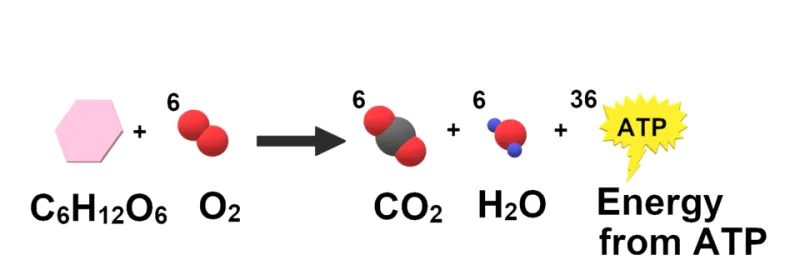
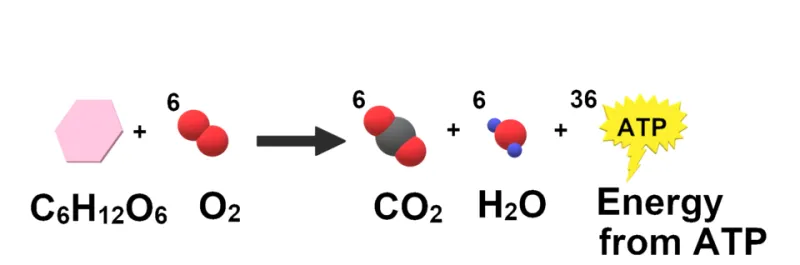
Metabolic dysfunction. Cellular energy production is fundamentally a metabolic process. Declining mitochondrial efficiency—increasingly recognized as a driver of insulin resistance, type 2 diabetes, and non-alcoholic fatty liver disease—frequently manifests as fatigue before it manifests as abnormal glucose metabolism. Treating energy complaints as metabolic signals, rather than psychosocial ones, opens a more productive clinical conversation.
Practical Implementation for Clinicians
For practitioners considering how to incorporate energy assessment without disrupting workflow, the most accessible entry point is a brief validated fatigue questionnaire administered during intake. Several instruments exist, including the Multidimensional Fatigue Inventory and the Fatigue Severity Scale, both of which are freely available and take fewer than three minutes to complete.
The more transformative shift, however, is cultural. It requires training clinical staff to treat a patient's reported energy level with the same objective seriousness as their blood pressure reading—to document it, track it over time, and investigate meaningful changes rather than normalize them. When a patient's self-reported energy score drops two tiers between annual visits, that delta deserves the same clinical attention as a ten-point rise in systolic pressure.
A New Metric for a More Complete Picture of Health
Medicine has always advanced by expanding its vocabulary—by recognizing signals that were previously dismissed as noise. The case for treating daily energy as a formal clinical metric is not speculative. It is grounded in the physiology of cellular metabolism, the epidemiology of chronic disease progression, and the lived experience of millions of American patients who leave their physician's office with normal labs and unresolved fatigue.
At Power3 Medical, the premise is straightforward: better health requires better questions. Asking patients not merely what hurts, but how much energy they have to engage with their lives, may be among the most clinically productive questions a practitioner can add to their standard repertoire. The body's power output is not a side note to the clinical story. In many cases, it is the headline.