Metabolic Readiness as a Clinical Compass: How Energy Biomarkers Are Reshaping Patient Stratification

Photo: Internet Archive Book Images, No restrictions, via Wikimedia Commons
In clinical medicine, the question of who will respond to a treatment has historically been answered through demographics, lab values, and disease staging. Yet a growing body of evidence suggests that one of the most reliable predictors of patient adherence and therapeutic success may be a variable clinicians have long overlooked: baseline cellular energy capacity.
The logic is deceptively straightforward. A patient who lacks sufficient metabolic resilience — whose mitochondria are underperforming, whose ATP synthesis is compromised — may not possess the biological infrastructure necessary to sustain the demands of a rigorous lifestyle intervention, however well-designed that intervention may be. Understanding this limitation before prescribing a treatment pathway could fundamentally change how practitioners allocate clinical resources.
The Biological Foundation of Treatment Readiness
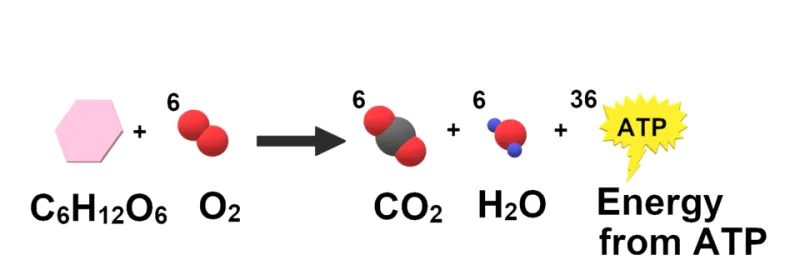
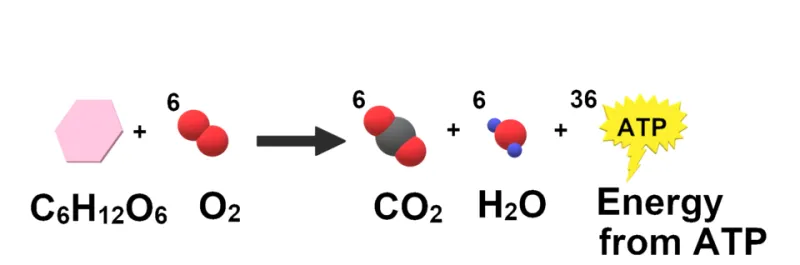
Mitochondria are responsible for producing approximately 90 percent of the body's usable energy in the form of adenosine triphosphate, or ATP. When mitochondrial function is impaired — whether through chronic inflammation, oxidative stress, sedentary behavior, or nutritional deficiency — the downstream effects reach far beyond fatigue. Cognitive clarity, hormonal regulation, immune response, and even motivational drive are all partially dependent on the efficiency of this cellular machinery.
For clinicians, this means that a patient presenting with suboptimal mitochondrial output is not simply tired. They may be physiologically less equipped to absorb the demands of behavioral change, dietary restructuring, or exercise-based protocols. Asking such a patient to commit to a high-intensity lifestyle overhaul without first addressing their energy deficit may be the clinical equivalent of prescribing a marathon training plan to someone with an undiagnosed stress fracture.
This is the premise underlying a new wave of patient stratification frameworks: that metabolic readiness is a legitimate and measurable clinical variable, and that ignoring it leads to predictable attrition, poor adherence, and ultimately, failed outcomes.
Stratification in Practice: Two Clinical Pathways
The emerging model divides patients into two broad categories based on their energy profile. The first group — those with adequate mitochondrial function and metabolic flexibility — are candidates for aggressive lifestyle intervention. These patients have the cellular capacity to respond to dietary modification, structured exercise, stress reduction, and sleep optimization. Their bodies can generate the energy required to sustain behavioral change, and the evidence suggests they will.
The second group — those with measurably compromised cellular energy systems — represents a more complex clinical picture. For these patients, leading with pharmaceutical or nutraceutical support may be the more rational first step. The goal is not to abandon lifestyle medicine, but to restore sufficient metabolic capacity so that behavioral interventions can actually take hold. Attempting lifestyle-first protocols in this population without addressing the underlying energy deficit often results in frustration for both patient and provider.
This stratification model has particular relevance for practitioners managing patients with type 2 diabetes, metabolic syndrome, chronic fatigue, and treatment-resistant depression — conditions in which poor adherence is both common and clinically costly.
Assessing Cellular Energy: What Clinicians Are Measuring
The practical challenge lies in translating mitochondrial biology into actionable clinical data. Several assessment approaches are gaining traction in integrative and functional medicine settings across the United States.
Organic acid testing can reveal metabolic bottlenecks in the Krebs cycle and electron transport chain, offering indirect evidence of mitochondrial dysfunction. Markers such as elevated lactate-to-pyruvate ratios, abnormal citric acid cycle intermediates, and specific amino acid dysregulations can point toward impaired ATP production. Additionally, assessments of coenzyme Q10 levels, NAD+ status, and markers of oxidative stress contribute to a composite picture of a patient's energy landscape.
Beyond laboratory testing, clinical tools such as validated fatigue questionnaires, heart rate variability measurements, and even structured physical performance assessments can provide accessible proxies for metabolic resilience. While none of these tools in isolation constitutes a definitive diagnosis of mitochondrial dysfunction, together they allow clinicians to build a meaningful energy profile that informs treatment design.
Adherence as a Biological Variable
Perhaps the most significant reframe embedded in this framework is the reconceptualization of patient adherence. The traditional clinical narrative positions non-adherence as a behavioral failure — a matter of willpower, motivation, or health literacy. The energy-stratification model challenges this assumption directly.
If a patient lacks the metabolic substrate to sustain effortful behavior change, their non-adherence may be less a reflection of attitude and more a reflection of physiology. This distinction carries meaningful implications for the clinician-patient relationship. It shifts the conversation from blame to biology, from frustration to assessment.
For practitioners, this means that before escalating a treatment plan or attributing poor outcomes to patient noncompliance, it may be worth asking a more fundamental question: does this patient have the energy to comply?
Reimagining the Initial Clinical Encounter
Integrating energy-based stratification into routine clinical practice does not require wholesale transformation of existing workflows. It begins with curiosity — with adding energy capacity to the list of variables assessed during an initial consultation. Asking patients about their subjective experience of fatigue, their recovery from physical exertion, their cognitive endurance across a workday, and their sleep quality provides a preliminary energy profile at no additional cost.
For patients who screen positive for potential metabolic compromise, a more targeted workup can follow. The resulting data allows practitioners to tailor treatment intensity, sequence interventions appropriately, and set realistic expectations — all of which contribute to stronger therapeutic alliances and better long-term outcomes.
In this sense, assessing metabolic readiness is not an add-on to good clinical care. It is an expression of it. The most effective treatment plan is the one a patient can actually sustain — and sustaining it begins at the cellular level.
A Stratification Tool for the Modern Clinician
As precision medicine continues to mature, the integration of cellular energy metrics into patient stratification represents a logical and evidence-aligned evolution. The clinician who understands not just what a patient needs, but whether that patient currently has the biological capacity to pursue it, is better positioned to design care that endures.
Energy is not merely a wellness concept. In the context of clinical outcomes, it is a prognostic variable — one that deserves a place alongside cholesterol panels, blood pressure readings, and HbA1c values in the standard clinical assessment. The practitioners who recognize this earliest will likely find themselves with something increasingly rare in American healthcare: patients who actually get better, and stay that way.