Strength, Stamina, and Recovery: The Triad Your Preventive Workup Is Missing
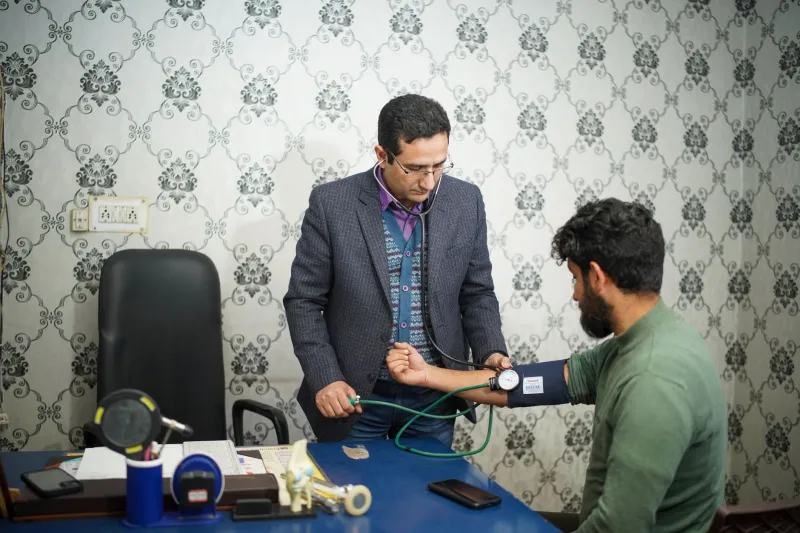
For decades, the annual physical examination in the United States has centered on a familiar set of biomarkers—blood pressure readings, fasting glucose, lipid panels, and body mass index. These measurements carry genuine diagnostic value, yet they share a common limitation: they capture a snapshot of the body's chemistry while largely ignoring its mechanical and functional capacity. A patient can present with entirely unremarkable laboratory results and still harbor the early signatures of accelerated aging, diminished disease resistance, and impending functional decline.
A growing body of clinical literature is pointing toward a more complete picture—one built around three interrelated performance dimensions: muscular power output, cardiovascular endurance capacity, and post-exertion recovery speed. Individually, each metric offers useful information. Measured together and interpreted as an integrated system, they form what some researchers are beginning to call a functional power triad—a framework with emerging evidence linking it more robustly to longevity outcomes and quality of life than many of the biomarkers currently dominating preventive medicine.
Why Single-Dimension Testing Falls Short
Traditional strength assessment—grip dynamometry, for instance, or a simple one-repetition maximum test—has long been associated with mortality risk. Research published in major journals over the past fifteen years has consistently shown that low grip strength predicts cardiovascular events, hospitalization rates, and all-cause mortality across diverse adult populations. That correlation is meaningful. But clinicians who stop at strength testing are reading only one chapter of a three-part story.
Consider two patients of identical age and similar grip strength scores. Patient A demonstrates excellent sustained cardiovascular output during a submaximal exercise test but requires forty minutes for her heart rate to return to resting baseline. Patient B shows a modestly lower peak endurance ceiling but recovers to baseline within eight minutes of cessation. These two individuals carry meaningfully different physiological risk profiles—yet a strength-only assessment would classify them as equivalent.
This is precisely where integrated measurement changes the clinical calculus. Cardiovascular endurance capacity, often quantified through estimated or directly measured VO₂ max, reflects the efficiency of oxygen delivery and utilization across the entire cardiorespiratory-muscular axis. Post-exertion recovery speed—sometimes called heart rate recovery or, in broader functional terms, autonomic resilience—reflects the nervous system's ability to downregulate stress physiology and restore homeostasis. Each dimension illuminates a different layer of the body's power infrastructure.
The Predictive Value of Measuring All Three Together
Research from exercise physiology and preventive cardiology has been quietly building the case for composite functional assessment. Studies examining cardiovascular fitness have found that low VO₂ max is a stronger predictor of mortality than hypertension, smoking, or elevated cholesterol in certain adult cohorts—a finding that receives far less clinical attention than it arguably deserves. Meanwhile, investigations into heart rate recovery have linked slow post-exercise normalization to increased risk of sudden cardiac events, metabolic syndrome progression, and parasympathetic nervous system dysfunction.
When muscular power, endurance capacity, and recovery speed are assessed together, the resulting composite score offers clinicians something that no single test can provide: a dynamic picture of how the body generates, sustains, and replenishes energy under physiological demand. This is not merely an academic exercise. Patients in the lower quartile across all three dimensions face compounding risk profiles that standard laboratory work may entirely miss until pathology is already well established.
For aging adults specifically, the triad carries particular relevance. Sarcopenia—the age-related loss of muscle mass and function—unfolds slowly and often silently, frequently going undetected until a fall, a fracture, or a hospitalization forces the issue. By the time a standard blood panel reflects metabolic deterioration associated with severe muscle loss, the window for low-cost, high-impact intervention has often narrowed considerably. Composite functional testing, by contrast, can flag early-stage decline years before conventional markers shift.
What a Three-System Assessment Looks Like in Practice
Implementing this framework does not necessarily require a specialized sports medicine facility or hospital-grade equipment. Clinicians in primary care and internal medicine settings are increasingly incorporating practical, validated protocols that approximate all three dimensions within a standard extended appointment.
Muscular power can be assessed through grip strength dynamometry, the five-times sit-to-stand test, or a timed chair rise protocol—all of which have published normative data stratified by age and sex for US populations. Cardiovascular endurance can be estimated through submaximal step tests, six-minute walk distance, or cycle ergometer protocols, with direct VO₂ max measurement available at facilities equipped with metabolic carts. Post-exertion recovery is typically captured by recording heart rate at one and two minutes following standardized exercise cessation, with published reference ranges available to guide interpretation.
The clinical power of this approach emerges not from any single score but from the pattern across all three. A patient who scores well on endurance but poorly on recovery and strength presents a different intervention priority than one whose recovery is excellent but whose muscular output is declining. Personalized exercise prescriptions, referrals to physical therapy, cardiometabolic workup, or nutritional counseling can then be calibrated to the specific gaps revealed by the composite assessment rather than applied generically.
Rethinking What Counts as a Vital Sign
The concept of a vital sign has always been pragmatic—a measure that is quick to obtain, reliably reproducible, and meaningfully predictive of clinical trajectory. Blood pressure, heart rate, respiratory rate, and temperature have held that designation for generations. Body temperature has been measured since the nineteenth century; pulse oximetry became routine only in the 1980s. The list of vital signs has always evolved in response to the best available evidence.
The argument for treating composite functional capacity as a vital sign—or at least as a near-equivalent clinical priority—is not fringe speculation. Major health organizations, including the American Heart Association, have published statements calling for greater integration of cardiorespiratory fitness into routine cardiovascular risk assessment. The US Preventive Services Task Force continues to evaluate exercise capacity as a relevant clinical variable. What has lagged is the systematic bundling of strength, endurance, and recovery into a single interpretive framework that general practitioners can apply consistently.
A More Complete Definition of Clinical Health
Power3 Medical's editorial mission rests on the premise that genuine health insight requires looking at the body's systems together rather than in isolation. The three-power triad—muscular strength, cardiovascular endurance, and recovery capacity—embodies that philosophy in one of its most clinically actionable forms.
For health-conscious patients who want to move beyond the limitations of a standard annual physical, asking a physician to incorporate functional capacity testing is a reasonable and evidence-supported request. For clinicians seeking a richer predictive signal than a lipid panel can offer, the composite assessment of these three dimensions represents one of the most accessible upgrades available in modern preventive practice.
The body does not fail in a single dimension. It is only logical that the tools designed to detect that failure should be equally multidimensional.